Table Of Content
Even one day is not recommended since it can cause the oil to form a layer on your scalp, clogging your pores, accumulating dandruff and attracting dirt. Apart from that, it will make your scalp constantly feel greasy and dirty. Lastly, especially if you have sensitive skin, some oils may cause irritation. So it’s always a good idea to perform a patch test on an inconspicuous area of skin before applying it to your head. When Dr. Lenzy administered the treatment years ago, the benefit of heating the oil was to, presumably, help it better penetrate the hair shaft.
GET A FREE HAIR ANALYSIS IN 2 MINUTES
"On wet hair, it serves to protect hair from heat during blow-drying or styling. On dry hair, a few drops of argan oil can give your mane increased shine." One of the most popular natural products for hair care, coconut oil, is loaded with lauric acid (a type of saturated fat). According to scientists, lauric acid found in coconut oil has the ability to penetrate inside the hair shaft and, in turn, repair damaged hair. Irshinskiy likes formulas that have unrefined oil, or better yet, olive oil extract, which has even less weight to it and won’t make your strands feel dirty.
Does grapeseed oil help with hair growth? We asked dermatologists about the TikTok hair care hack - CNN Underscored
Does grapeseed oil help with hair growth? We asked dermatologists about the TikTok hair care hack.
Posted: Tue, 19 Mar 2024 07:00:00 GMT [source]
Act + Acre Cold Processed Vitamin E Scalp Detox Oil
After a few passes with a comb, our hair had a shiny, soft hair with a salon-like finish. In our experience, this is a great option for all hair types and comes in a compact bottle for easy storage, regardless of your bathroom vanity size. Giving the hair a deep, nourishing oiling treatment once in a while (maybe every two weeks) will surely leave your hair feeling soft and looking shiny and less frizzy. The glands inside the scalp are in charge of secreting the natural oil that nourishes the hair strands. This natural oil lubricates and seals the strands for that silky soft feeling. But natural oil only gets as far as three to four inches from where the strands begin, leaving the ends dry and without any oil.
Step 4: Massage Your Scalp

It also has antifungal and antibacterial properties, which can treat different conditions that may contribute to dandruff or hair loss. This particular leave-in treatment softens, detangles, and defrizzes tresses while leaving your mane with a tropical coconut aroma for days. If you have thin or fine hair, you might cringe at the thought of applying hair oil, but this one could actually be a great fit for you.
12 Best Natural Oils for Hair Growth, According to Dermatologists 2024 - Glamour
12 Best Natural Oils for Hair Growth, According to Dermatologists 2024.
Posted: Fri, 29 Mar 2024 07:00:00 GMT [source]
The Best Products With Argan Oil
And if you notice your scalp starts to feel irritated, flaky, or itchy—aka the opposite of how you want your scalp to feel after oiling—stop oiling ASAP and make an appointment with your dermatologist. If you are using rosemary or castor oil, remember to first dilute it before applying it to your scalp. Iman Balagam is a beauty contributor at Cosmopolitan with nearly three years of experience writing beauty stories that range from gel nails to mini flat irons. She’s an authority in all hair categories, but is an expert when it comes to almond oil, thanks to years of personally researching and testing different hair oils for hair growth. It also explains how coconut oil can repair everyday damage, improve texture, and restore hair health. You can mix 10 drops of tea tree essential oil into your shampoo or conditioner and use it daily.
Another option is to warm the oil up in the microwave, gently massage it into your scalp with your fingers or a silicone scalp massager, wait a few minutes, and then rinse it out. You can also mix it into your deep conditioner, then let it sit for 20 to 30 minutes before rinsing. Generally speaking, LoGerfo says most people can use almond oil on their hair.
Like coconut oil, olive oil is able to penetrate deep into hair’s fibers. In fact, the abundance of monounsaturated fats found in olive oil may play a key role in its conditioning properties. This lush and creamy shampoo features a mix of argan, rose-hip, and coconut oil meant to not only repair damage, but also keep tresses hydrated and strong. "It has an amazing hold for even the most stubborn edges, is totally flake-free, and the argan oil provides so many nourishing benefits to the hair, so I feel good about using it on my clients."
What we love most about this is that it’s a no-drip formula, and the bottle makes it super easy to apply directly to the scalp and affected areas without making a mess. Once you figure out which hair oil is right for you, consider your hair type when deciding which shampoo to wash out the oil. "While any shampoo can be used following hair oiling, some people find using a clarifying shampoo or detox shampoo helps to remove the oil most effectively," she added. “Cedarwood oil is generally recognized as safe by the Environmental Protection Agency or the EPA,” says Friese. “But if you’re allergic to cedarwood or cedarwood oil in any capacity, you should not use it.” If allergies are not an issue, Friese says that all hair types can potentially benefit from cedarwood oil. However, you should take specific steps and precautions to get the most out of it, especially if you have an oily scalp.
It also promoted the growth of beneficial bacteria and reduced scalp flaking. For many, mixing some with a carrier oil or your shampoo and applying that to your scalp regularly can increase hair growth, strength, or shine. Using too much oil or applying it too frequently can leave your hair looking greasy and weighed down, especially in hot and humid weather. Contrary to popular belief, oily hair also requires hydration in summer.
In addition, one of the reviewed studies determined that coconut oil was the only oil capable of reducing protein loss. This was true for undamaged and damaged hair when participants used the oil as a pre-wash and post-wash grooming product. It contains silica, which is thought to improve hair growth speed and strength along with potentially reducing dandruff.
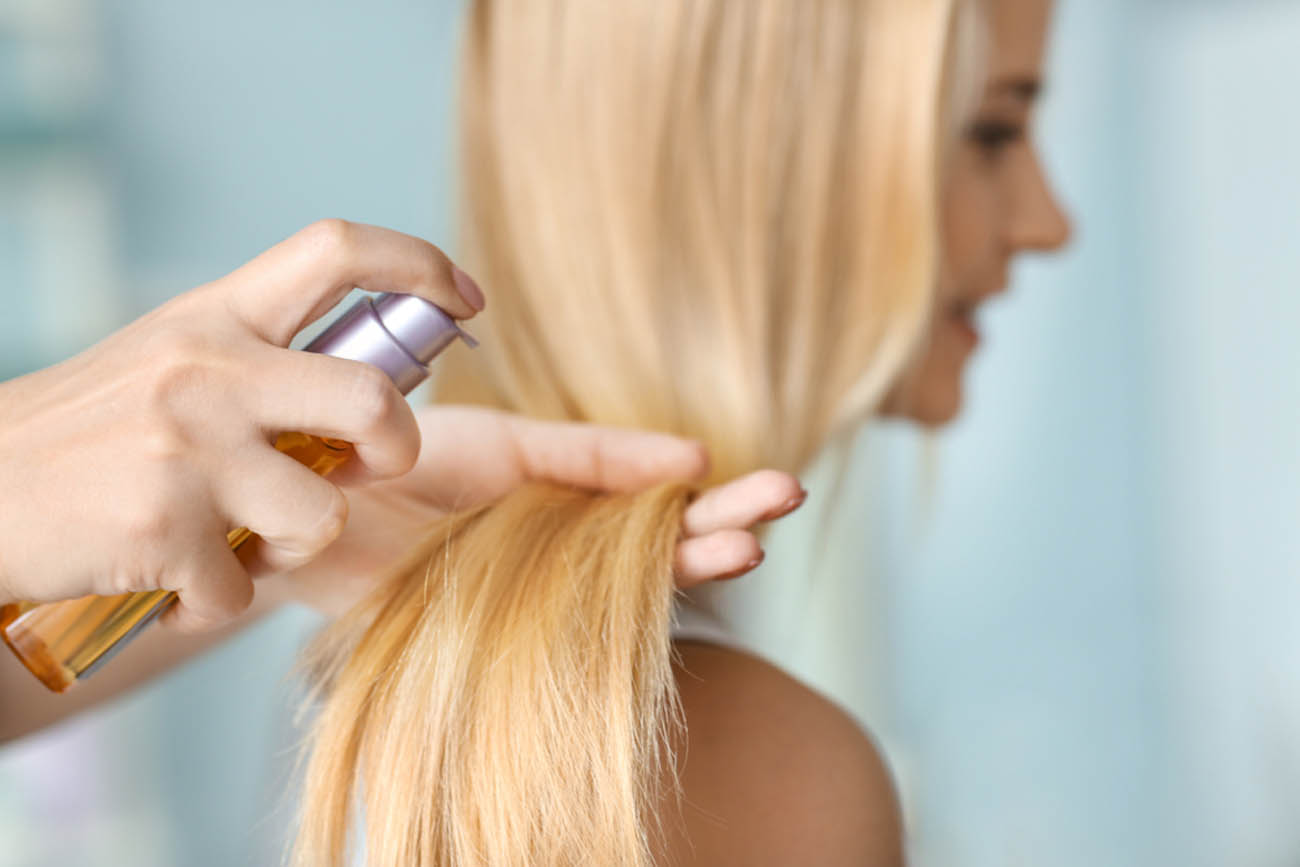
Hair oiling is a practice where natural oils are spread or massaged throughout your hair to increase shine, moisture and overall health. This beauty routine has its roots in Ayurvedic medicine and Indian tradition, but has gained traction recently in the world of natural hair care. Olaplex’s best hair oil for loss and regrowth allows you to replace thinning hair while you style.
Dobos explains, “Most hair 'oils' on the market actually contain very little oil, they're primarily made from siloxanes and hydrocarbons. Some of the lipids in natural oils can weigh hair down and can cause fine hair to look greasy rather than glossy." She adds that products with a high oil concentration are better on thick, textured, or coily hair. During testing, we loved how lightweight the texture felt and how it added shine to the lengths of our hair.
If you are looking for the right nourishment treatment for your specific hair situation. We recommend completing THIS online hair test to receive your personalized Hair Routine. It will guide you through the elements that your hair needs, giving you exactly the frequency in which your hair needs it.
One study found that peppermint oil, when used on mice, increased the number of follicles, follicle depth, and overall hair growth. Essential oils are extracted from plants through methods like distillation or evaporation. While essential oils are most famous for their aromatic capabilities, they also contain strong chemical properties that can be beneficial for health.
Now that I live on my own, I still take the time to oil my scalp once a week—but rather than make my own blend, I use one of the many hair oils on the market. And dare I say, it's the reason I constantly get compliments on my healthy, smooth, long hair. Keep reading for my product recommendations, as well as how to properly oil your hair and how often you should be hair oiling, according to experts. When choosing a hair oil, keep in mind the results you hope to get out of adding a new product to your hair care routine. "Rather than choosing an oil for your hair type, you should consider what you need the oil to do for your hair," says Sophia Emmanuel, a hairstylist at Crown Worthy in New York City. For example, if you're looking to enhance shine and softness, olive, carrot, and jojoba oils are helpful, according to Emmanuel.
Let it sit for about three hours and then shampoo.” If you can’t let the oil sit for that long, Dr. Luke says that waiting about 30 minutes works well, too. The thing that bugs me the most about a lot of hair oils on the market is that they are often too heavy and hard to wash out. It's incredibly lightweight (even for my fine hair ppl), but is still jam-packed with Ayurvedic staples like ashwagandha and dashmool to help soothe my irritated scalp. If you don’t have the patience to leave it overnight—or your scalp tends to be oil-prone—try hair oiling as a pre-shampoo treatment.


No comments:
Post a Comment